




Feels Like 1999. Recovers Like 2026.
Published:
Picture this: the year is 1999. You call a friend on a landline, grab your disposable camera, and rollerblade to the mall. Later, you’re burning CDs and battling for first in Mario Kart.
The tech, and all the life that came after 1999 — laptops, smartphones, demanding careers, and children — brings so much achievement, excitement, and plenty of built-up stress and tension.
Here’s relief. Theragun® Mini Y2K feels like 1999 and recovers like 2026.

What is Theragun Mini Y2K?
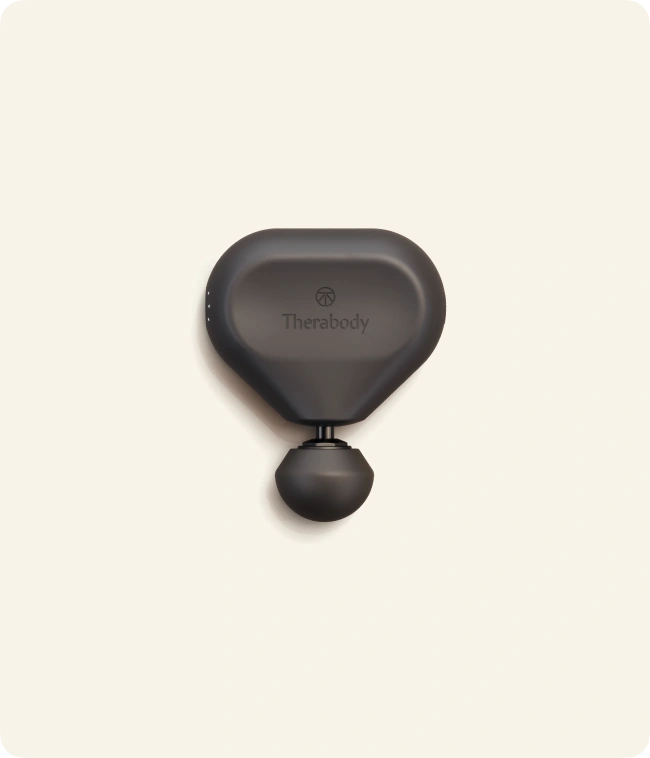
Theragun Mini Y2K has the same scientifically validated technology as the Theragun Mini Gen 3, now dressed in five limited-edition colors with translucent housing inspired by the tech of the 90s: Game Boys, phones, and desktops.
With three attachments and speeds, this nostalgic throwback is fully equipped to handle the aches and pains 90s kids now have in the 2020s.
The translucent design does more than usher us back to the 90s; it speaks to a generation that grew up curious about how things work, giving a clear window into a device designed to support all types of recovery.

Your body kept decades of receipts
Adults who were raised in the 90s now carry 25+ years of cumulative stress and tension. It’s time for your recovery routine to match this decade's demands.
Your Saturdays changed, along with your soreness
If you spent Saturdays rollerblading to the mall and back, playing four square on the blacktop, or biking until the streetlights came on, you know what soreness feels like. Recovery didn't need to be a part of the plan; you woke up on Sunday and did it all again.
Now, your Saturdays look more like taking a HIIT class, kids’ soccer dropoffs and pickups, and catching up on cleaning — and your body feels it more than ever.
What to do: A quick pre-activity warm-up on those same areas can also help activate your muscles before you get moving. Then, use a Theragun on the major muscle groups that you worked — quads, hamstrings, calves, and glutes — for one to two minutes each, within a few hours of your activity.
Why it works: Percussive therapy helps reduce delayed onset muscle soreness (DOMS) by increasing blood flow to fatigued muscles and releasing tension. This helps you recover faster between workouts and physically demanding activities. [1, 2]
Some things stayed the same (like circulation)
If you sat crisscross applesauce on the classroom floor until your foot went completely numb, you know the pain of a lack of circulation.
These days, that same numb, pins-and-needles feeling shows up in your shoulders after staring at a computer for hours, your legs after a long flight, and your feet after back-to-back activities. Staying in one position for too long is still the culprit.
What to do: Glide a Theragun slowly over your shoulders, calves, thighs, and lower back for one to two minutes each, especially after long periods of sitting or standing. Lighter pressure and a slower pace work well here to start increasing circulation.
Why it works: Percussive therapy helps improve circulation by widening blood vessels (known as vasodilation). Oxygen and nutrient-rich blood then flow more efficiently, helping you feel less stiff and sore. [3]

Aches and pains won’t rollerblade away
If you wiped out on a Razor scooter, popped right back up, and kept going without a second thought, you owe your knees and legs a favor today.
Aches and pains don't disappear as fast as they used to. Lifting heavy boxes without proper form can keep you sidelined for a week. Pushing through pain isn’t a long-term strategy, and targeted pain relief helps get you back on track.
What to do: Target tense or sore areas directly with a Theragun for two minutes per muscle group. Start at the lowest speed, gradually increasing as tolerated. Spend time on the muscles surrounding any joint pain.
Why it works: Percussive therapy’s rapid pulses stimulate sensory receptors in the muscle, which can help override pain signals traveling to the brain. Increased blood flow to the area being treated supports the body's natural recovery processes. [4]
Stressful scenarios have higher stakes
If your heart rate spiked in the last lap of Mario Kart and every time your dial-up connection cut out, you knew what it was like to experience stress.
These days, the stakes feel higher. Work notifications have replaced AIM, and the pressure that ended when you powered down the family computer lingers for longer.
What to do: In stressful scenarios, even a few minutes of percussive therapy can help you pause and reach a more mindful state. Use a Theragun on your upper back, feet, and any other tense muscles to find relief.
Why it works: Percussive therapy helps promote relaxation and relieve stress. The rapid bursts of pressure stimulate the nervous system to release endorphins, the feel-good hormones that naturally reduce stress and improve your sense of well-being. [5, 6] A study found that using a Theragun improved heart rate variability (a key marker of resilience to stress) by 25% after just one session.

Your bedtime routine, reimagined
If you fell asleep listening to a burned CD playing from your boombox while reading Tiger Beat magazine, you know the importance of a good wind-down routine.
Now, this looks like doing your skincare routine, playing white noise, reading a few chapters of your book club pick, and throwing on your sleep mask at the same time each night.
What to do: Adding a Theragun to your nighttime routine helps physically release the day’s stress and tension. Try a six-minute routine in the 30 minutes leading up to bedtime. Target your forearms, lower back, quads, feet, and any other muscle groups holding tension.
What the studies show: A study of 73 people found that using a Theragun before bed can support better sleep. 87% of participants fell asleep faster (by an average of over four minutes), 70% of participants slept more efficiently with fewer awakenings, and 56% of participants improved their sleep score.
Key takeaways
- Theragun Mini Y2K delivers the same scientifically validated technology as the Theragun Mini Gen 3, in five limited-edition colors with translucent, 90s-inspired housing.
- Percussive therapy supports five key pillars of recovery: post-workout recovery, circulation, pain relief, stress reduction, and sleep.
- Just a few minutes of targeted use, before bed, after a workout, or during a stressful moment, can make a measurable difference in how your body feels.
-
Recovery habits that worked in 1999 don't always hold up against today's demands, but the right tools can help close that gap.
References:
- Acute Effects of a Percussive Massage Treatment on Movement Velocity during Resistance Training
- The Acute Effects of Cold Water Immersion and Percussive Massage Therapy on Neuromuscular Properties and Muscle Soreness after Exercise in Young Male Soccer Players
- Physiological Effects of Local Theragun™ Application: An Observational Study in Healthy Female Participants
- The Effect Of Percussive Therapy On Musculoskeletal Performance And Experiences Of Pain: A Systematic Literature Review
- The mechanisms of massage and effects on performance, muscle recovery and injury prevention
- Massage increases oxytocin and reduces adrenocorticotropin hormone in humans


Related products
-

 Sold out Sale
 -
 Sold out Sale
 -
 Sold out Sale
 -

 Sold out Sale


