




Three Recovery Tools Help Youth Soccer Players Preserve Performance When Used During Half Time, New Study Finds
Published:
Reviewed by Therabody Scientists: Tim Roberts, MSc, CSCS, Chief Science Officer; Rachelle Reed, PhD, MS, ACSM-EP, Head of Research & Science Communication
Expert contributor: Robin Thorpe, PhD, Therabody Advisory Board, Brendon Skinner, MSc, University of Northampton
Soccer players have just 15 minutes at half-time to recover from the physical demands of the first half while preparing to sprint, react, and execute technical skills all over again. New research suggests that how players spend those minutes influences how well they maintain their performance when they return to the field. [1]
In a new study, researchers from the University of Northampton and Therabody® tested three recovery strategies during a simulated half-time in elite academy-level youth soccer players. Theragun® percussive therapy, PowerDot® electrical muscle stimulation (EMS), and pneumatic compression were compared with passive rest. Each recovery device helped limit declines in at least one aspect of technical performance, sprint performance, or perceived recovery. [1]
The findings point to a different way of thinking about recovery. Rather than something athletes do only after training or competition, recovery may also play an active role during competition, when maintaining readiness immediately matters.

Why does soccer performance drop after half-time?
Soccer places repeated high-intensity demands on players, contributing to fatigue as a match progresses. Research has also identified a more immediate decline in performance during the first 5–15 minutes after half-time, including reductions in sprint performance. [2, 3]
"Half-time presents an interesting paradox: players need to recover from the accumulated metabolic and neuromuscular demands of the first half, but prolonged passive rest can simultaneously reduce muscle temperature and readiness for explosive activity,” says Robin Thorpe, PhD, Therabody Scientific Advisor and study co-author. “This is particularly relevant because a transient decline in high-intensity and technical performance can occur during the opening period of the second half. What happens during those 15 minutes may influence how prepared players are when play resumes."
Muscle temperature can decrease during half-time, which has been associated with slower sprint performance when play resumes. [2] Short re-warm-ups can help counter this effect. In one study, a seven-minute half-time jog helped reduce the decline in sprint performance during the opening 15 minutes of a simulated second half. [4]
The challenge is fitting a re-warm-up alongside tactical instruction, hydration, fueling, and other half-time priorities. This led researchers to explore whether recovery strategies could help sustain performance without requiring additional exercise.

How did researchers test half-time recovery strategies?
The randomized controlled study included 43 male soccer players from the Northampton Town Football Club Academy, with an average age of 17.5 years. [1]
Players completed a simulated soccer protocol designed to test both technical and physical performance. This included the Loughborough Soccer Pass Test (LSPT), which challenges passing, dribbling, ball control, speed, accuracy, and decision-making, followed by fifteen 20-meter sprints. Researchers also monitored heart rate and perceived recovery using the Total Quality of Recovery (TQR) scale. [1]
Brendon Skinner, Senior Lecturer in Sport Rehabilitation and Injury at Northampton University and the study’s primary author, says “we wanted to design a study that had high ecological validity and practical application. Therefore, it was important to assess not only physiological effects but technical and psychological (perceived) responses. Plus, the half-time period is critical for coaches to communicate their tactical information, and as such, the interventions needed to be minimally disruptive to this process.”
Players were randomly assigned to one of four half-time conditions:
- Passive rest: Players remained seated for the full 15 minutes without stretching or reactivation.
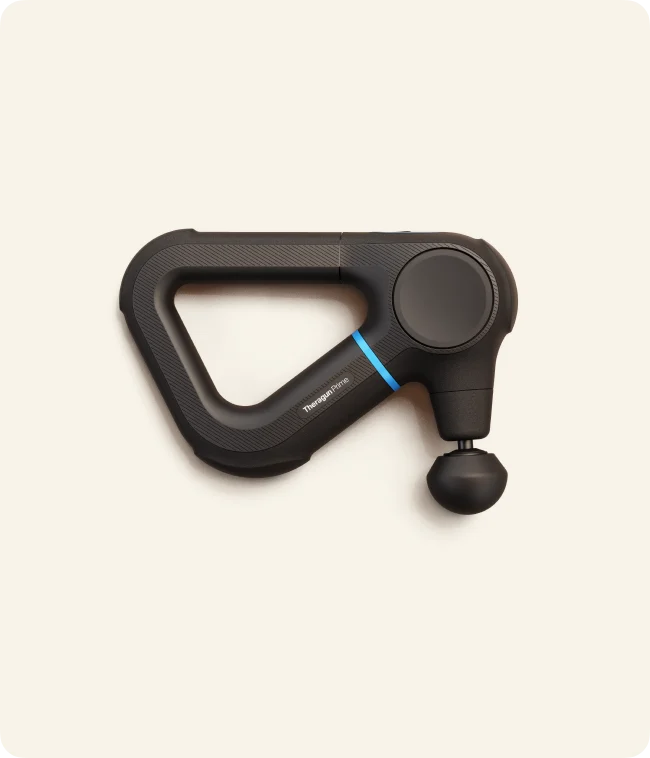
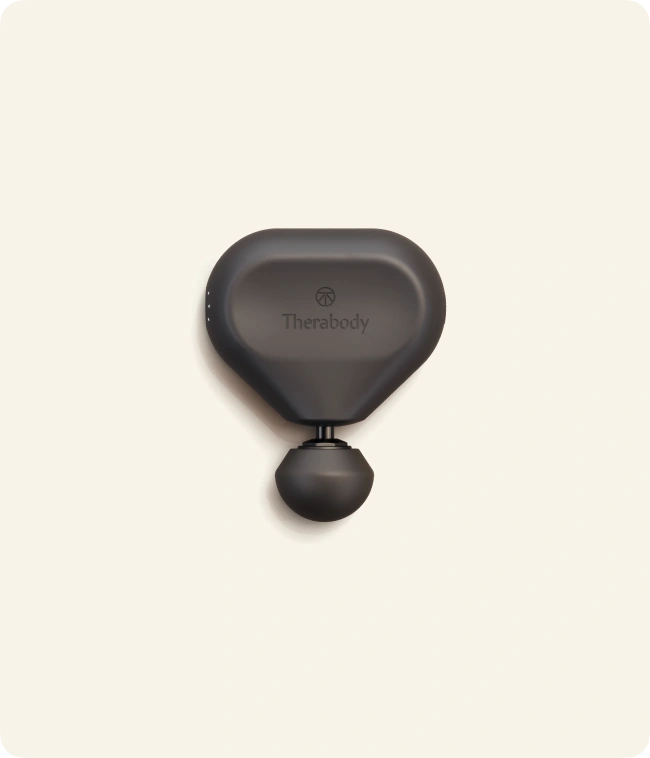
- Theragun percussive therapy: Players self-administered eight minutes of percussive therapy to the calves, quadriceps, hamstrings, and glutes, followed by seven minutes of seated rest.
- PowerDot EMS: Players received 10 minutes of low-frequency electrical muscle stimulation to the quadriceps and hamstrings, followed by five minutes of seated rest.
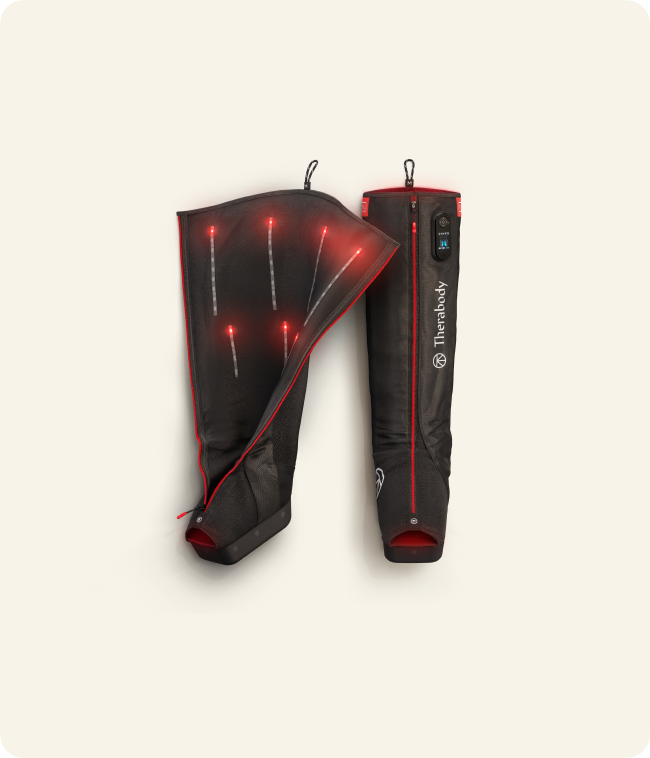
- Pneumatic compression: Players used lower-body pneumatic compression for 10 minutes, followed by five minutes of seated rest.
Players then repeated the soccer performance tests after half-time. [1]
What did the study find?
All three recovery strategies helped maintain at least one aspect of performance or perceived recovery compared with passive rest, and the benefits differed by intervention.
Percussive therapy showed the most consistent results across the outcomes measured, while EMS and pneumatic compression supported specific aspects of second-half performance. [1]
"What interested me most was that relatively simple interventions produced different performance responses despite being applied within the same short half-time window. Rather than identifying one universally superior intervention, the findings suggest that different strategies may influence different components of readiness and performance," says Thorpe.

Passive rest was associated with poorer second-half performance
Players who spent the full 15-minute half-time period resting showed declines in technical and sprint performance and perceived recovery. Overall performance on the soccer skills test declined by 7.47%, while average 20-meter sprint times slowed by 2.34%. Perceived recovery declined by 32.5% from before to after half-time. [1]
"Passive rest allows some physiological systems to recover, but it may also contribute to reductions in muscle temperature, neuromuscular readiness and perceived readiness before players return to high-intensity activity. We didn't directly measure these mechanisms, so we should be cautious about attributing the findings to any single pathway, but the results reinforce that simply sitting for 15 minutes may not be optimal preparation for the second half," says Thorpe.
Percussive therapy helped preserve physical and technical performance
Of the three interventions, Theragun percussive therapy produced the most consistent pattern of performance preservation across the outcomes measured. [1]
Players who used Theragun maintained both technical and sprint performance better than players who passively rested. Their overall soccer skills test performance improved by 2.43% from the first to second half. The Theragun group also maintained 20-meter sprint performance, with sprint time improving slightly by 0.82%, and they also experienced a smaller decline in perceived recovery. [1]
Skinner explains that “previous literature has illustrated declines in second-half performance, particularly within the first 15-minutes. These findings are encouraging for not only mitigating the “post halftime dip” but help illustrate the potential for such interventions to maintain neuromuscular output.”
These findings build on current literature on the acute effects of percussive therapy. A systematic review found that percussive therapy may improve flexibility without negatively affecting measures such as strength, balance, or explosive performance. [5]
The findings are best interpreted as performance preservation rather than enhancement. In other words, percussive therapy helped players maintain aspects of their performance across half-time compared with passive rest.

EMS helped preserve technical performance
PowerDot EMS produced different benefits.
Players using PowerDot EMS also maintained their soccer skills better than players who passively rested. Their overall LSPT performance improved by 2.55% from the first to second half, including better passing accuracy. Perceived recovery also declined less than passive rest. [1]
The benefit did not extend to sprinting, however. EMS did not significantly help players maintain 20-meter sprint performance compared with passive rest. [1]
Previous research suggests that electrical muscle stimulation can increase blood flow following exercise. [6, 7] Physiological mechanisms were not directly measured, so the researchers cannot determine why technical and sprint outcomes responded differently. [1]
Pneumatic compression helped preserve sprint performance and perceived recovery
Players using compression maintained their 20-meter sprint performance across half-time, while the passive rest group slowed by 2.34%. They also experienced the smallest decline in perceived recovery of the three intervention groups. [1]
Compression, however, did not meaningfully maintain technical performance on the LSPT. [1]
This finding is consistent with other research that pneumatic compression may have noticeable effects on how recovered athletes feel. In one randomized crossover study, athletes reported better perceived recovery with pneumatic compression compared with a sham condition, but no corresponding improvement in subsequent cycling performance. [8]

Do different recovery tools preserve different performance measures?
Taken together, the findings suggest that the value of a half-time recovery strategy may depend on what an athlete or coach wants to preserve. Percussive therapy and EMS showed the clearest effects on technical performance, while percussive therapy and pneumatic compression helped maintain sprint performance. All three interventions attenuated declines in perceived recovery.
Thorpe recommends that practitioners first identify the performance problem they're trying to solve and then match the intervention accordingly.
Athlete preference may matter, too. Players knew which intervention they received, and the study did not include sham conditions, so the researchers cannot rule out the influence of belief or expectancy on the results.
“In practice, the most appropriate intervention may therefore be one that has a plausible mechanism, targets the desired outcome, and that the athlete believes in and is comfortable using," says Thorpe.

What does this mean for players and coaches?
"The practical message isn't that every team needs more technology at half-time,” says Thorpe. “It's that we should be willing to innovate around how this period is used. Half-time has traditionally been dominated by tactical communication, hydration, and nutrition, but just because it has historically been structured in a particular way doesn't mean there aren't opportunities to use part of that window to positively influence second-half performance.”
The interventions tested in this study offer ways to make use of that window. Because they required little physical effort, were largely self-administered, and fit within the existing 15-minute break, players could use them alongside coaching, tactical preparation, hydration, and fueling.[1, 2, 3, 4]
“Soccer is an increasingly demanding sport with players workloads coming under ever greater demand, and fine margins determining success,” says Skinner. “The exploration for practical solutions is therefore imperative, and this study will help form a basis for future research into a previously under-considered window for recovery and performance.”
The takeaway: half-time is not necessarily just a break from performance. It may be an opportunity to help preserve it.
Key takeaways:
- Soccer players can experience temporary declines in sprint and technical performance after half-time, and prolonged passive rest may contribute to this drop.
- In 43 elite academy-level male soccer players, three passive half-time recovery strategies helped preserve physical performance, technical performance, or perceived recovery compared with passive rest.
- Theragun percussive therapy showed the most consistent results, helping sustain technical and sprint performance while reducing declines in perceived recovery.
- PowerDot electrical muscle stimulation (EMS) helped sustain technical performance, while pneumatic compression helped maintain sprint performance. Both also helped limit declines in perceived recovery.
- No single half-time recovery strategy performed best across every measure, suggesting that athletes and coaches should choose tools based on the performance outcome they want to maintain.
- These passive recovery tools require little physical effort and fit within the 15-minute break, allowing them to complement coaching, hydration, fueling, and re-warm-up strategies.
References:
- The Effectiveness of Passive Half-Time Interventions on Simulated Second-Half Performance in Elite Youth Soccer Players
- Muscle temperature and sprint performance during soccer matches: Beneficial effect of re-warm-up at half-time.
- Half-time strategies to enhance second-half performance in team-sports players: A review and recommendations
- A 7-min halftime jog mitigated the reduction in sprint performance for the initial 15-min of the second half in a simulated football match
- The effect of percussive therapy on musculoskeletal performance and experiences of pain: A systematic literature review
- Impact of active recovery and whole-body electromyostimulation on blood-flow and blood lactate removal in healthy people
- Does electrical stimulation enhance post-exercise performance recovery?
- Intermittent sequential pneumatic compression reduces post-exercise hemodilution and enhances perceptual recovery without improving subsequent cycling performance

Related products
-

 Sold out Sale
 -
 Sold out Sale
 -
 Sold out Sale
 -
 Sold out Sale


