




Running Through Perimenopause: What the Science Says About Heat, Training, and Recovery
Published:
Reviewed by Therabody Scientists: Tim Roberts, MSc; Rachelle Reed, PhD, MS, ACSM-EP
You’ve been running for years. You know how your body feels at mile 3, mile 8, mile 13. Then perimenopause hits, and suddenly the run feels completely different.
Maybe you're overheating halfway through what was once an easy run. Recovery takes longer than it used to. A poor night of sleep leaves your legs feeling heavy for days, and the pace that once felt comfortable suddenly feels much harder.
This experience might feel isolating or foreign, but you are not alone. Your marathon training approach, recovery plan, and mindset around dealing with symptoms like hot flashes may need to adjust, but you can still train for your favorite races during perimenopause.
The good news? Research continues to show that regular exercise, including running, remains one of the most beneficial things women can do during perimenopause. With the right strategies, you can continue training for your favorite races throughout perimenopause and beyond. [1]
This article will outline important considerations — based on scientific evidence — to help you make the most of your running experience during perimenopause and beyond.

What perimenopause does to your running
Perimenopause is the transitional stage leading up to menopause, when hormone levels begin to fluctuate and menstrual cycles become irregular. [2] During this time, levels of estrogen and progesterone gradually decline, typically beginning in a woman's late 30s or 40s and continuing until menopause. These hormonal changes affect nearly every system in the body, including many that can influence running performance.
Not every woman will experience the same symptoms, and their severity can vary widely. Some runners notice only subtle changes, while others feel as though their body suddenly responds completely differently to training. Symptoms may affect running directly or indirectly through hot flashes, joint discomfort, and slower recovery, or indirectly through disrupted sleep, fatigue, and changes in mood. [2]
Understanding what's happening physiologically can help you adapt your training so that you can continue running.
Hormonal changes affect running
One of estrogen's key roles in the body is helping regulate body temperature by influencing blood flow and sweating. [3] As estrogen levels fluctuate and decline during perimenopause, the body's thermoregulatory system becomes less stable, meaning it takes less heat, humidity, or exercise intensity to feel uncomfortably hot. For runners, this can translate to overheating sooner, feeling like familiar paces require much more effort, and needing more recovery after running sessions in warmer weather.
Hormonal changes also affect recovery. Estrogen supports muscle repair and helps regulate inflammation after exercise. As levels decline, muscle soreness may last longer, connective tissues become less resilient, and your body may simply need more time between hard training sessions. Night sweats and hot flashes can further disrupt sleep, which may lead to reduced endurance, slower recovery, and increasing perceived effort during your runs. [3]
While these changes can be frustrating, experiencing them doesn’t necessarily mean your best running days are behind you. By understanding how perimenopause affects your body, you can make informed adjustments to your training, recovery, and heat-management strategies to continue running strong throughout this transition.

Running may reduce hot flashes
When you experience a hot flash, your body’s core temperature rises quickly. [2] This can increase perceived effort (it feels way harder than it should), disrupt sleep, and add extra cardiovascular stress on top of your already strenuous workout.
Many women worry that exercising will trigger hot flashes because it temporarily raises body temperature. It’s true that high-intensity exercise in hot environments can occasionally provoke a hot flash, but research points to the opposite effect over time. Studies have found that women who exercise regularly often report fewer or less severe vasomotor symptoms than women who are sedentary. [1, 3, 4]
Regular running exposes your body to repeated, controlled increases in temperature. Over time, this leads to adaptations such as earlier onset of sweating, increased plasma volume (which improves heat dissipation), better blood flow to the skin, and more efficient cooling. [1, 4] These adaptations make your body better at managing heat, which may reduce the likelihood that small temperature changes trigger a hot flash.
Running also improves cardiovascular fitness. A fitter cardiovascular system transports heat away from the body's core more efficiently. Your heart pumps blood more effectively, and your body becomes better at dissipating heat through the skin. [5, 6] In other words, the temporary discomfort of a run may contribute to fewer hot flashes over the long term.
Additionally, women have an increased risk of osteoporosis with age, and participating in load-bearing activities like running promotes bone health. [7]
Related read: Navigating Menopause: Hormonal Shifts, Symptoms, Health Risks, and Lifestyle Solutions
How to manage the heat during summer training and perimenopause
Summer training can be challenging for any runner, but during perimenopause it often feels even harder. Because your estrogen levels are fluctuating, familiar paces may feel more demanding. While you can't control the weather, you can adjust your approach to staying cooler and reducing heat stress.
Choose cooler times of the day. Whenever possible, schedule your runs in the early morning or later in the evening, when temperatures and direct sunlight are lower. Even a small drop in temperature can make your run feel noticeably easier. [8, 9]
Fuel strategically. Start your run well hydrated, and for longer or especially hot runs, replace both fluids and electrolytes lost through sweat. Consuming carbohydrates before and during longer workouts also supports performance, as exercising in the heat increases your body's energy demands. [8]
Build in cooling strategies. Cooling your body before or during a run can improve comfort and reduce thermal strain. Drinking cold fluids, carrying a cooling towel, or using cooling technology such as the CryoThermTM Palm are practical ways to help your body dissipate heat more effectively during warm-weather training. [8, 9, 10]
Choose routes with less direct sun. Whenever possible, opt for shaded trails, tree-lined streets, or parks instead of open roads exposed to full sun. Reducing direct solar exposure helps minimize heat gain, allowing your body to devote more energy to running and less to cooling itself. [8, 9]
Managing heat effectively isn't just about temporary relief, it's also about setting yourself up for better recovery. During perimenopause, reducing heat stress allows your body to direct more energy toward muscle repair and adaptation, making thoughtful heat-management strategies an important part of your overall training plan.

Additional tips for runners in perimenopause
- Adjust intensity or location. On days you’re experiencing more hot flashes or other symptoms, it’s okay (and smart) to shorten the workout or switch to an easier running pace. Your body is working overtime. Consider a run in a temperature-controlled environment (indoors).
- Strength train. Incorporating regular strength training into your fitness routine can help you accumulate and maintain muscle mass. This is important during perimenopausal years to maintain bone health and promote healthy aging. [7]
- Track your symptoms. Many women notice patterns with their symptoms. Logging when hot flashes and other symptoms are worse can help you plan longer and harder runs on days that you are feeling your best.
Building a recovery routine that actually works during perimenopause
As you age, and especially as you approach the perimenopausal transition, recovery is a non-negotiable to get the most out of your health and fitness pursuits. The hormonal changes that occur during perimenopause can contribute to slower muscle repair, can impact sleep quality and lead to longer recovery in between training sessions. [1]
Recovering with everyday habits
Prioritize a nutrient-dense diet that includes adequate protein to support muscle repair, along with carbohydrates to replenish energy stores after training. [3]
Hydration, quality sleep, and stress management are equally important, as chronic stress and poor sleep can prolong recovery and reduce exercise adaptations [3]
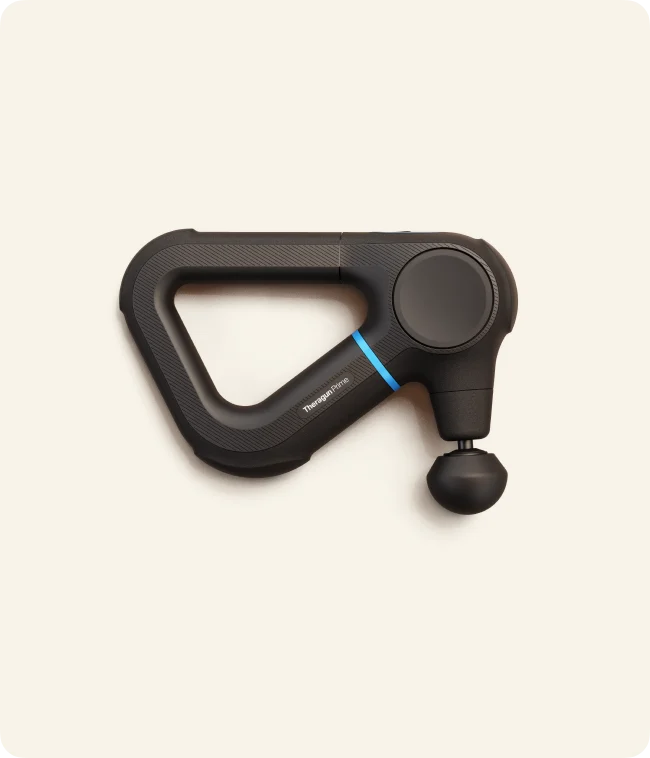
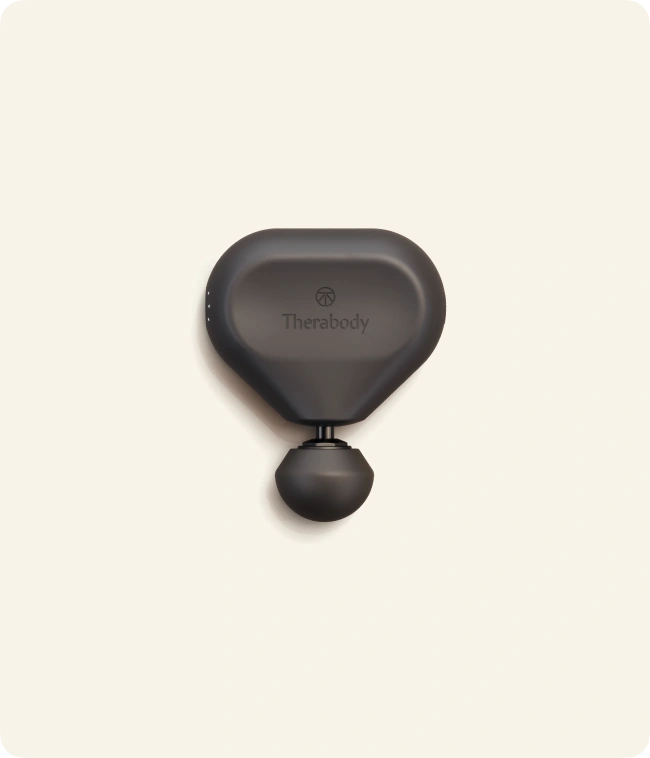
Recovery tools can also complement these foundational habits. Percussion therapy devices, such as the Theragun®, may help reduce post-exercise muscle soreness, improve short-term flexibility, and encourage relaxation after a run. [11] Many runners also find that using percussion therapy as part of an evening routine helps signal the body to wind down before bed.
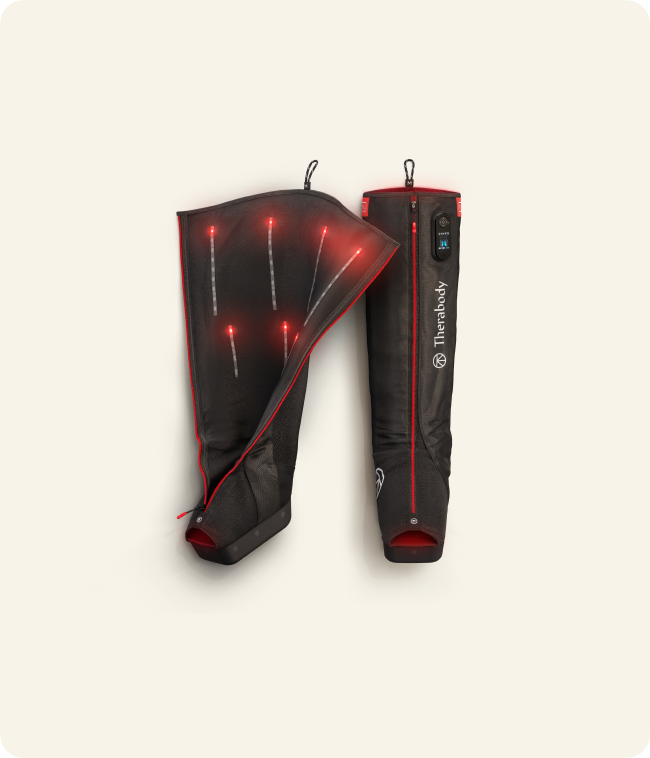
For lower body recovery, the JetBoots® PRO Plus combines pneumatic compression with vibration and infrared LED light therapy in one device.Combining treatments enables efficiency and time savings by stacking treatment benefits. Pneumatic compression has been shown to enhance circulation and may help reduce feelings of leg fatigue and improve perceived recovery following exercise.[12] While these tools don't& replace good nutrition, sleep, or proper training, they can be valuable additions to a well-rounded recovery plan.
The key to recovering well in all life stages is consistency. A simple recovery routine you complete after every run will have a greater impact than an elaborate routine you only do occasionally. During perimenopause, recovery isn't a luxury, it’s an essential part of staying healthy, strong, and able to keep doing the activities you love.

Perimenopause may change how running feels, but it doesn't have to define what you're capable of accomplishing. By understanding how hormonal changes affect heat regulation, recovery, and performance, you can adjust your training plan instead of abandoning it.
Whether you're preparing for your next marathon, maintaining your weekly running routine, or simply trying to feel strong in your body, the goal isn't to train exactly like you did when you were younger, but to train intelligently for the body you have today.
With intentional recovery, smart heat-management strategies, and a willingness to adapt, running can continue to be a powerful tool for supporting your health throughout perimenopause and beyond.
Key takeaways
- Perimenopause doesn't mean you have to stop running — it just means your body has changed, and your training and recovery need to evolve with it.
- Adaptability as you train for your favorite fall races is key, and the CryoThermᵀᴹ Palm is a product that can help your body thermoregulate during hot summer runs.
- A lifestyle that incorporates physical activity such as running (cardiovascular training) is important for women to prioritize during perimenopause.
- Recovery from exercise is a key focus area during perimenopause because of the hormonal shifts that occur and how they impact training and recovery.
- Tools such as the Theragun and JetBoots can be a helpful part of your recovery routine during perimenopause in addition to a balanced diet, adequate sleep, and stress management.
References:
- Perimenopause: From Research to Practice
- The Menopause Years, ACOG
- A review of hormonal changes during the menopausal transition: focus on findings from the Melbourne Women's Midlife Health Project
- Autonomic control of body temperature and blood pressure: influences of female sex hormones
- Exercise for vasomotor menopausal symptoms
- Physical Activity and Exercise for Hot Flashes: Trigger or Treatment?
- Management of osteoporosis in postmenopausal women: the 2021 position statement of The North American Menopause Society
- Consensus recommendations on training and competing in the heat
- Heat and Athletes, CDC
- The Effects of Palm Cooling on Physiological and Metabolic Responses, Exercise Performance, and Total Volume During High-Intensity Bench Press Exercise in Resistance-Trained Men
- The Effect Of Percussive Therapy On Musculoskeletal Performance And Experiences Of Pain: A Systematic Literature Review
- Effects of Intermittent Pneumatic Compression on Delayed Onset Muscle Soreness (DOMS) in Long Distance Runners

Related products
-
CryoTherm™ Palm
Regular price $399.99Unit price per -
 Sold out Sale


