




Women’s Top Health Concerns and the Solutions They’re Seeking: A Therabody Study
Published:
Last updated:
Authors: Therabody Scientists: Tim Roberts MSc; Emily E. Munn, PhD, MEd; Rachelle Reed, PhD, MS, ACSM-EP
Women’s health has not always been a prominent area of investment for entrepreneurs, researchers, and innovators. As such, solutions for common health concerns women experience fall short of meeting their needs. [1]
Therabody® is committed to designing science-backed technology to improve women’s quality of life and fund research to better understand their needs.
In partnership with Conference for Women, Therabody surveyed nearly 800 women across five in-person events in 2024-2025 about their current health priorities, symptoms they’re experiencing, and solutions they’re seeking.
Results from the survey pointed to key health focus areas for women: stress management, fatigue, bone health, staying physically active, and the need for more research funding for women. These findings underscore a clear demand among women for effective, evidence-based solutions designed to meet their needs.
Here, we'll explore the survey findings that are shaping how Therabody creates technology and designs clinical studies.

Who completed the survey?
Nearly 800 women volunteered to complete the survey in-person across five Conference for Women events in 2024-2025. The majority of respondents, 82%, were between the ages of 25 and 54, spanning Millennials and Generations X and Z.
Figure 1: Age of survey respondents

What did the survey aim to learn?
Women were asked to share their current health priorities, symptoms they experience, and the solutions they're seeking. The survey also explored how much control women feel they have over specific areas of their health, including stress, sleep, bone, and muscle health. They were also asked about their perception of women's health research funding.
What did the survey find?
A majority of women, 77%, reported feeling in control of their health overall, and 89% of women reported feeling empowered and informed to make decisions about their health.
However, that sense of control was substantially lower when asked about specific symptoms and health domains.
The survey surfaced four key areas where women are seeking support: stress management, fatigue, bone and muscle health, and women's health research funding, pointing to a clear opportunity for targeted, science-backed solutions.

Women feel the least control over stress and actively seek management solutions
Only 23% of women reported feeling in control over their stress, meaning more than three out of four women feel stress is out of their control. This aligns with broader data on stress levels in women who are disproportionately affected by stress due to biological and lifestyle factors, including hormonal fluctuations, caregiving responsibilities, and workplace pressures. [2]
It's no surprise, then, that stress management was the most sought-after solution in the survey, with 61% of women reporting they are actively looking for ways to manage it.
Women feel limited control over fatigue and actively seek solutions
Only 22% of women reported feeling in control of their fatigue, with women ages 35-44 feeling the least in control. Fatigue is particularly common during this life stage, when many women are managing the competing demands of career, family, and the early hormonal shifts of perimenopause. [3]
Fatigue was the second most sought-after solution in the survey, with 46% of women reporting they are actively looking for ways to address it.

Bone and muscle health emerge as key priorities, particularly among older women
Only 31% of women reported feeling in control of their bone and muscle health, with women ages 55 and older feeling the least in control. This is consistent with the natural decline in bone density and muscle mass that accelerates after menopause, making bone and muscle health an increasingly urgent concern for long-term independence as women age.
Nearly 43% of women reported actively seeking solutions to help address it.
Across each health domain, a pattern stands out: When women feel less in control, they’re more likely to actively seek solutions.
Most survey respondents believe women's health research is underfunded
Efforts to support equity in women's health research have increased over the last several decades, yet most women believe that research gaps still exist today. [3]
This sentiment is well-founded. Historically, women have been underrepresented in clinical research, meaning until recently many treatments and interventions have been developed and tested primarily on men.
Over 50% of survey respondents reported that female-specific health issues do not get the attention and research funding they deserve.

Physical activity is a top priority — and a top challenge
Regular physical activity was the most commonly reported health priority among survey respondents, with 68% of women saying it's a focus for them. Yet 44% also reported that physical activity is an area of health they’re working to improve.
This suggests that while women prioritize staying active, barriers to consistency remain, whether that's time, soreness, recovery, or motivation.
What this means for women
The data is clear: women are looking for effective, science-backed solutions to help them manage stress, combat fatigue, support bone and muscle health, and stay consistently active. While this survey did not evaluate specific products, science-backed solutions designed to meet these needs exists.
Tools that promote relaxation and recovery can make a meaningful difference in stress management. Therabody’s SmartGoggles® are designed to help calm the nervous system and support mental recovery. They’ve been shown to lower stress levels and increase feelings of relaxation.
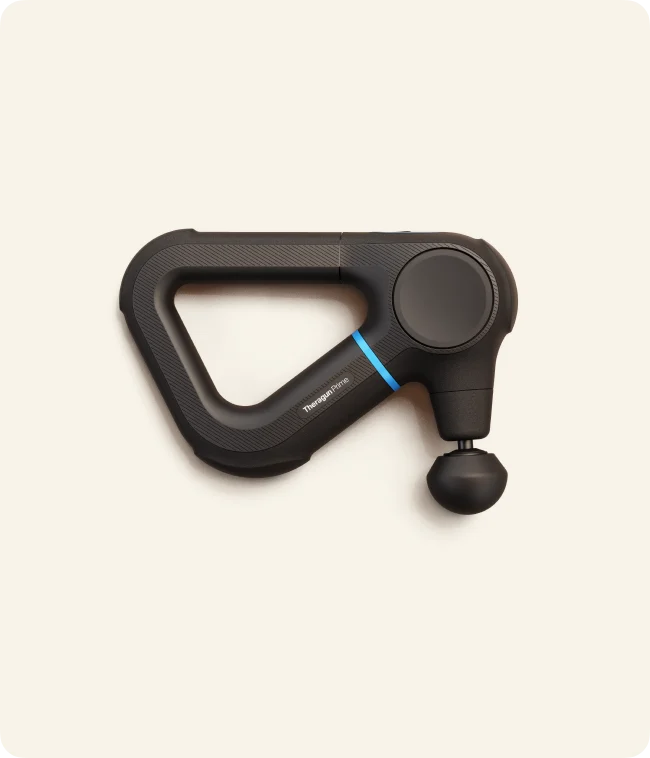
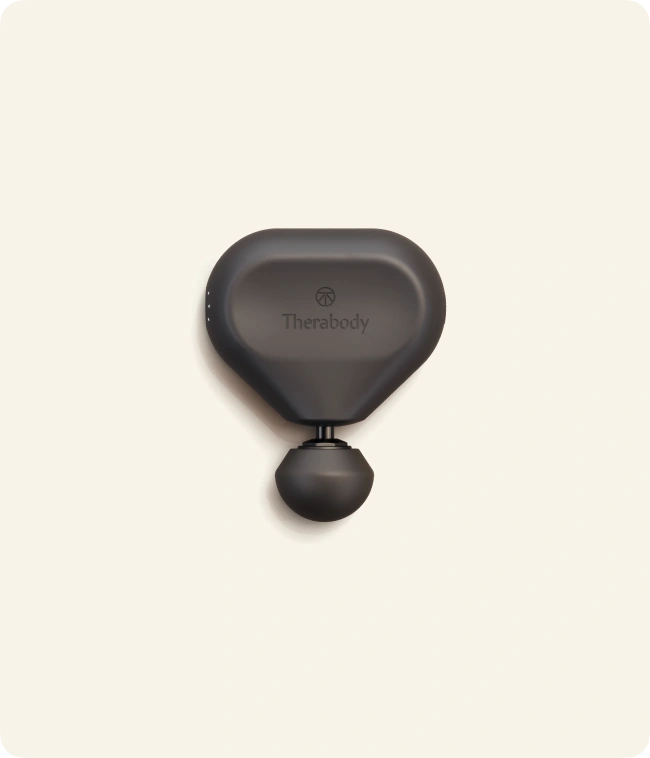
Reducing fatigue can look like prioritizing sleep and recovery. Therabody’s SleepMask has been shown to improve deep sleep, and Theragun® devices can help the body recover faster, so fatigue doesn't compound over time.

Bone and muscle health are best supported by staying consistently active — a strong evidence-based strategy for long-term bone density and muscle mass preservation. Percussive massage therapy devices support muscle recovery and comfort, helping women stay active.
Consistency is often the biggest challenge of physical activity. When soreness and fatigue are better managed, showing up regularly becomes more achievable.
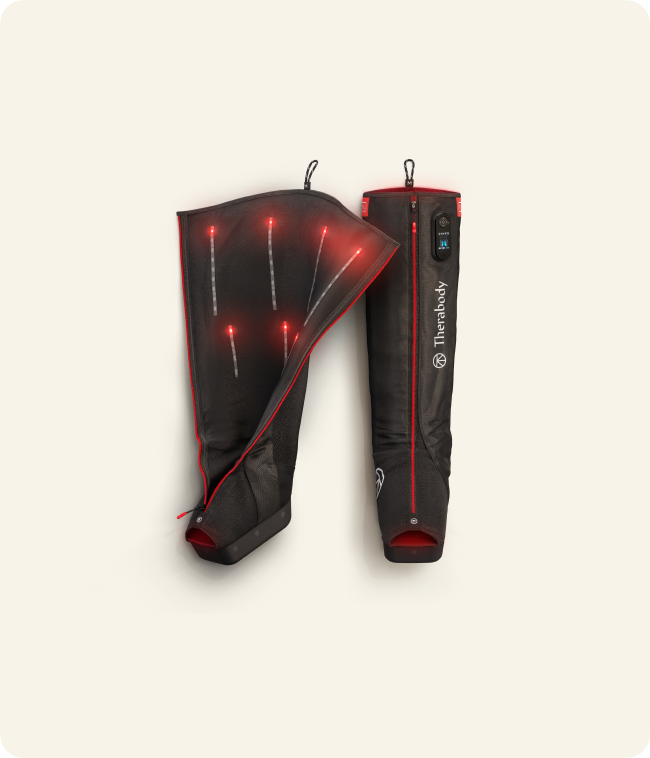
Therabody also invests in women-specific research. In 2024, Therabody launched an inaugural research grant program where investigators across the US submitted grant proposals to study how Therabody’s devices support wellness, performance, and overall health for women. Funded studies include whether Theragun use helps to increase physical activity and decrease pain in women over 65, and how pneumatic compression from JetBoots® can improve recovery and performance in African American women runners.
As the findings from this survey continue to shape Therabody's research agenda and product development, one thing is clear: women's health deserves to be taken seriously — and Therabody is committed to doing its part.
Analyses are based on self-reported data from approximately 800 women who voluntarily participated across five Conference for Women events between 2024–2025. Responses were not independently verified and reflect individual perceptions. The sample is not intended to be representative of the broader population. This survey was not designed to diagnose, treat, or evaluate any medical condition or product.
Key takeaways
- More than three out of four women feel stress is out of their control, making it the most sought-after health solution among survey respondents
- Fatigue affects women across all age groups, with women ages 35-44 reporting the least sense of control
- Bone and muscle health become increasingly urgent concerns for women after menopause, yet fewer than one in three women feel in control of this area of their health
- Over 50% of women believe female-specific health issues do not receive the research funding they deserve
- Regular physical activity is women's top health priority, and the area they most commonly report wanting to improve
References:
- $360B Women's Health Ghost Market Report
- Women say they’re stressed, misunderstood, and alone).
- The Dynamics of Stress and Fatigue across Menopause: Attractors, Coupling and Resilience
- Age-Related Sarcopenia in Humans Is Associated with Reduced Synthetic Rates of Specific Muscle Proteins
- Advancing the inclusion of underrepresented women in clinical research


